

In a world increasingly conscious of its environmental impact, businesses are challenged to not only operate efficiently but also responsibly. The concept of sustainability has taken center stage, with one of its key components being carbon offsetting. As an environmental B-Corp – “climate action made simple”, reflecting our commitment to straightforward and effective solutions for a sustainable future. This article delves into the intricacies of mastering carbon offsetting, a practice that not only benefits the environment but can also propel your business to new heights.
Understanding Carbon Offsetting
What is Carbon Offsetting?
Carbon offsetting is a mechanism that allows companies to compensate for their carbon emissions by investing in projects that reduce or capture an equivalent amount of greenhouse gases from the atmosphere. It’s a proactive step towards achieving a carbon-neutral status.
The Mechanism Unveiled
At its core, carbon offsetting involves calculating the total carbon footprint of a business and then investing in initiatives that counterbalance this impact. These initiatives could include reforestation projects, renewable energy ventures, or methane capture programs.
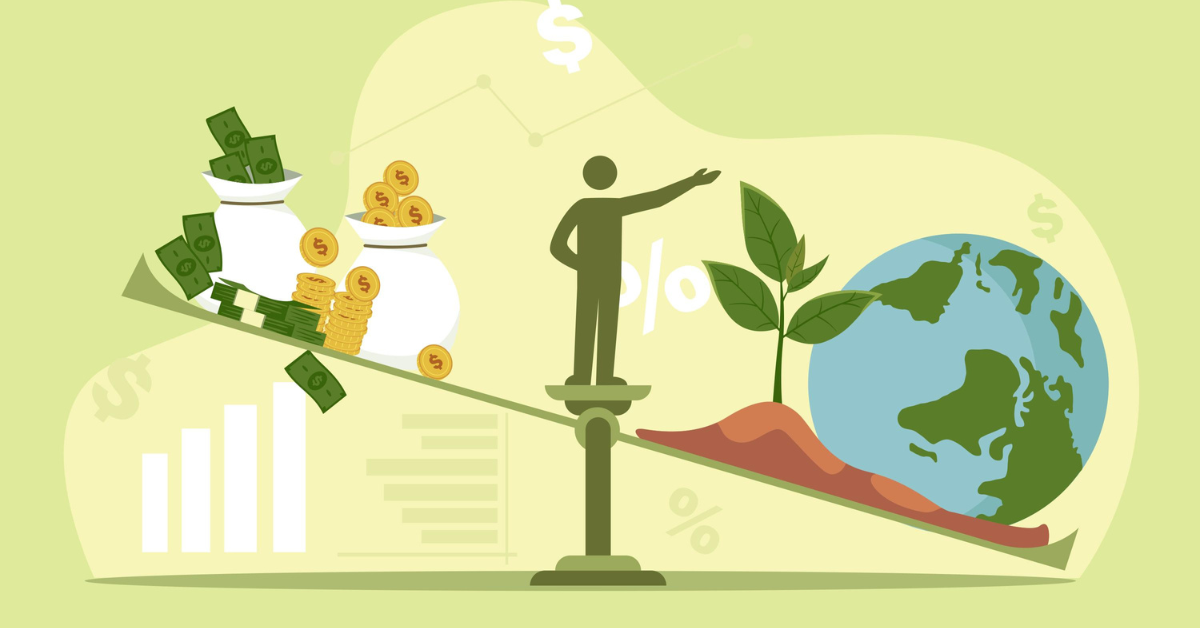
The Business Case for Carbon Offsetting
Environmental Responsibility as a Competitive Edge
In an era where consumers are increasingly eco-conscious, businesses that embrace sustainability gain a competitive edge. Carbon offsetting not only demonstrates a commitment to environmental responsibility but also aligns your brand with the values of a growing consumer base.
Regulatory Compliance
With tightening environmental regulations worldwide, carbon offsetting becomes not just a choice but a necessity for businesses looking to stay compliant. Proactively addressing your carbon emissions can shield your business from potential legal and financial repercussions.
Implementing Carbon Offset Strategies
Calculating Your Carbon Footprint
Before embarking on a carbon offsetting journey, it’s crucial to accurately measure your carbon footprint. Utilize reputable carbon calculators to assess emissions from your operations, supply chain, and even employee commuting.
Choosing the Right Offset Projects
The effectiveness of your carbon offsetting efforts hinges on the projects you choose to support. Look for initiatives with robust methodologies and transparent reporting, ensuring that your investments genuinely contribute to emissions reduction.
Overcoming Challenges in Carbon Offsetting
Greenwashing Concerns
While carbon offsetting is a commendable step, there’s a risk of falling into the greenwashing trap. Ensure that your offset projects are verifiable, additional, and lead to a real and measurable reduction in greenhouse gas emissions.
Cost Considerations
Some businesses may be hesitant due to perceived high costs associated with carbon offsetting. However, the long-term benefits, both in terms of reputation and risk mitigation, often outweigh the initial investment.
Tracking and Communicating Success
Transparent Reporting
To build trust with stakeholders, transparently communicate your carbon offsetting initiatives. Regularly publish reports detailing the projects supported, emissions reduced, and the overall impact on your carbon footprint.
Marketing Your Sustainability
Once you’ve successfully mastered carbon offsetting, leverage your commitment in your marketing strategy. Highlighting your sustainable practices not only attracts environmentally conscious customers but also fosters goodwill in the broader community.
Conclusion
As businesses navigate the complexities of a rapidly changing world, mastering carbon offsetting emerges as a strategic imperative. Beyond fulfilling environmental obligations, it positions your company as a responsible, forward-thinking entity, ready to lead in the age of sustainability.