

Construction projects are complex endeavors that come with inherent risks, from worker safety to project delays and budget overruns. However, by implementing sound risk management strategies, project managers can significantly reduce operational risks and ensure a successful outcome. This article will explore key ways to mitigate risks in construction projects and enhance overall project performance.
From identifying potential hazards to establishing clear communication channels and adopting best practices, there are several measures that can be taken to minimize operational risks in construction projects. By proactively addressing risks and implementing preventative measures, project managers can create a safer work environment, improve project predictability, and boost overall project efficiency. This article will delve into various strategies that can help construction teams mitigate operational risks and achieve project success.
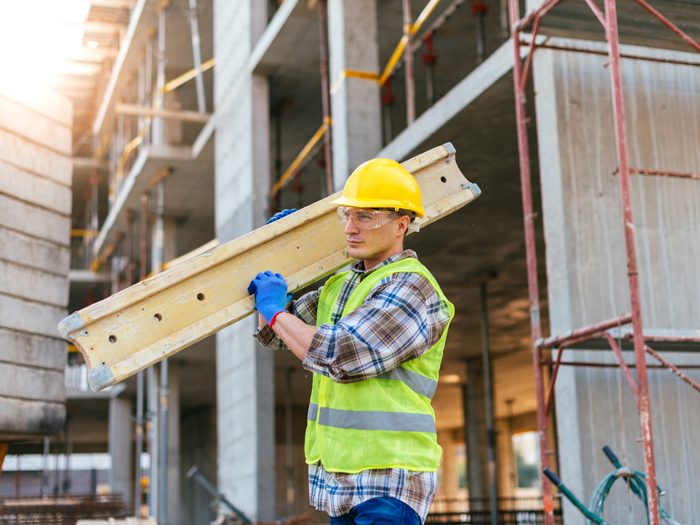
Implementing Comprehensive Safety Protocols
One of the most effective ways to reduce operational risks in construction projects is by implementing comprehensive safety protocols. This includes conducting regular safety inspections, providing appropriate safety training to all workers, and ensuring that all equipment and tools are in proper working condition. By prioritizing safety measures, project managers can minimize the likelihood of accidents and injuries on the job site. For more safety tips and guidelines, click here.
Utilizing Technology for Risk Monitoring
Another key strategy for mitigating operational risks in construction projects is to utilize technology for risk monitoring. By leveraging tools such as project management software, drones, and building information modeling (BIM), project managers can identify and address potential risks in real-time. These technological solutions enable teams to track progress, manage resources efficiently, and make data-driven decisions that enhance overall project performance. Incorporating technology into risk management practices can lead to greater transparency, improved communication, and better project outcomes.
By incorporating comprehensive safety protocols and utilizing technology for risk monitoring, construction teams can effectively reduce operational risks and improve project outcomes. By prioritizing safety measures, project managers can minimize the likelihood of accidents and injuries on the job site, creating a safer work environment for all workers. Additionally, leveraging technology tools allows project teams to identify and address potential risks in real-time, leading to greater transparency, improved communication, and better project performance overall. By proactively addressing risks and implementing preventative measures, construction projects can achieve success by minimizing operational risks and ensuring a more efficient and productive work environment.